

How UV Paint Improves Surface Appearance And Durability
Oct 15, 2026
Leave a message
How UV Paint Improves Surface Appearance and Durability
A surface coating does more than change the color of a product. It affects how the surface looks, how well it withstands daily use, and how long it maintains its original finish. For manufacturers working with wood, plastic, furniture, and industrial components, these factors are important when choosing the right coating system.
For coating manufacturers and product designers, understanding how UV paint performs on different substrates is an important step toward selecting the right solution.

What Is UV Paint and How Does It Work?
UV paint is a coating that cures when exposed to ultraviolet radiation. Unlike conventional coatings that may rely on extended air-drying or heat-curing processes, UV-curable formulations use photoinitiators to start a chemical reaction when exposed to a suitable UV light source.
This reaction allows the coating to form a solid film in a relatively short time. In production environments, rapid curing can help improve line efficiency, reduce the space required for drying, and support more consistent manufacturing processes.
UV paint is used in a variety of applications, including wooden flooring, furniture panels, plastic components, decorative products, and industrial parts. The final performance depends on several factors, including resin chemistry, additives, film thickness, substrate preparation, and curing conditions.
Not every UV coating is suitable for every material. Choosing a formulation based on the substrate and the intended end use is essential for achieving reliable results.
Improving Surface Appearance with UV Paint
Surface appearance is often one of the first things customers notice about a finished product. Uneven gloss, visible scratches, poor leveling, or inconsistent color can affect the perceived quality of an otherwise well-made component.
UV paint can be formulated to produce different finishes, from matte and satin to high gloss. This flexibility allows manufacturers to match the coating to the design requirements of their products.
For furniture and interior decoration, a smooth UV coating can help create a clean, uniform appearance while protecting the underlying surface. On decorative panels, the coating can complement wood grain and other surface textures rather than completely hiding them.
For plastic components, the right UV coating may improve surface uniformity and help maintain the intended appearance after repeated handling. However, adhesion and flexibility need to be evaluated for each type of plastic, since different substrates can respond differently to the same coating.
The goal is not simply to make a surface look glossy. It is to achieve a finish that suits the product's design, application, and expected service conditions.
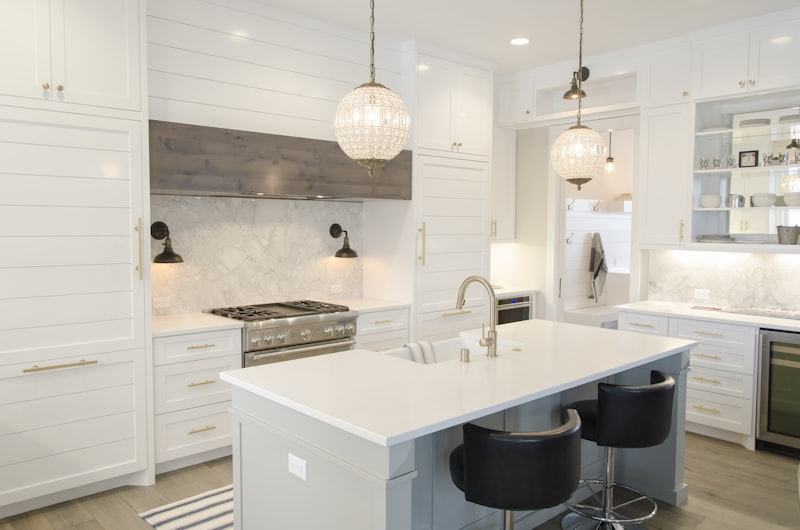

UV Coating for Wood and Furniture
Wood products present a particular coating challenge. Natural wood and engineered wood panels can be affected by moisture, temperature changes, handling, and everyday wear. A suitable coating needs to protect the surface without compromising the desired decorative effect.
UV coating for wood is widely considered for furniture panels, wooden flooring, cabinets, doors, and other interior wood products. Depending on the formulation, it can provide a smooth finish, good surface hardness, and resistance to common forms of abrasion.
In furniture manufacturing, production efficiency is another important consideration. Rapid UV curing can allow coated panels to move through subsequent processing stages sooner, helping manufacturers manage larger production volumes.
The coating system should still be selected according to the specific wood product. Flooring, for example, may require different wear performance from a decorative wall panel or a cabinet door.
Proper sanding, surface preparation, coating application, and UV curing are all important. A well-selected coating system can help preserve the appearance of wood products while supporting the practical demands of daily use.
Abrasion Resistant Coating for Plastic Components
Plastic parts are used in automotive interiors, household products, electronic equipment, packaging, and many other industries. Although plastic is lightweight and versatile, its surface can become scratched, scuffed, or worn during assembly, transportation, and regular use.
An abrasion resistant coating for plastic can help address these issues by adding a protective layer designed to withstand repeated contact and friction.
UV-curable coatings may be suitable for selected plastic substrates when the formulation provides adequate adhesion and the curing process is compatible with the material. Depending on the application, the coating can also be designed to achieve a particular gloss level, surface feel, or decorative effect.
Before selecting a UV coating for plastic, manufacturers should consider the type of substrate, the expected level of abrasion, and the product's operating environment. Polycarbonate, ABS, acrylic, and other plastics can have different surface energies and heat sensitivities, so the same coating may not perform equally well on all of them.
Diamond Coating for Enhanced Surface Protection
For products that require a durable, premium-looking finish, diamond coating is another term that may appear in discussions of advanced surface protection.
The term can refer to different technologies depending on the industry and supplier. In decorative paint and coating applications, it may describe a product marketed for enhanced hardness, gloss, or scratch resistance. In other industries, diamond coating can refer to specialized coatings containing diamond-like carbon or other diamond-related technologies.
These products should not be treated as interchangeable. A decorative UV-cured coating marketed as a diamond coating does not automatically have the same properties as a diamond-like carbon coating.
When evaluating a diamond coating for furniture, plastic components, or decorative products, manufacturers should review the technical data sheet and confirm which performance characteristics have been tested. Relevant factors may include surface hardness, scratch resistance, adhesion, chemical resistance, and gloss retention.
For applications where appearance is as important as durability, the right coating should balance the desired visual effect with the actual conditions the finished product will face.
Can Smoke Resistant Paint Help Protect Indoor Surfaces?
Indoor surfaces can be exposed to smoke, airborne contaminants, heat, and cleaning products, depending on the environment. These conditions may affect the appearance of painted furniture, wall panels, equipment housings, and other interior components.
Smoke resistant paint is a term used for coatings intended to address certain smoke-related conditions, but the meaning can vary by product. Some formulations may focus on resisting smoke staining or making surfaces easier to clean. Others may be designed for specific high-temperature or fire-related applications.
These functions are not the same. A coating that resists smoke stains does not necessarily prevent smoke damage, resist high temperatures, or provide fire protection.
If a project requires smoke-resistant performance, manufacturers should identify the actual requirement before selecting a coating. This may include resistance to discoloration, cleanability after exposure, temperature resistance, or compliance with relevant fire-safety standards.
UV paint may be considered for certain interior components when its formulation meets the required surface and environmental conditions. However, smoke resistance should only be claimed when supported by appropriate product testing.
For buyers sourcing smoke resistant paint, reviewing the manufacturer's technical documentation is an important step in confirming whether the product matches the intended application.
Balancing Surface Hardness, Flexibility, and Appearance
A coating that performs well in one area may not be ideal in another. High surface hardness can be useful for resisting scratches, but flexible plastic components may also require a coating that can tolerate movement without cracking.
Similarly, a high-gloss finish can create a premium appearance, while a matte finish may be more suitable for products where reflections and visible fingerprints are concerns.
UV paint formulations can be adjusted to meet different performance and appearance requirements, but the balance depends on the coating chemistry and the substrate. Manufacturers should consider the following factors when choosing a product:
Evaluating these factors together helps prevent a common sourcing problem: selecting a coating based on one attractive feature without checking whether it meets the full application requirements.
How to Choose the Right UV Paint Supplier
For industrial buyers, choosing a coating supplier involves more than comparing product descriptions. The supplier should understand the application, provide clear technical information, and help identify a formulation that suits the production process.
Before placing an order, buyers can ask about substrate compatibility, recommended application methods, curing parameters, coating thickness, and available performance test results.
Sample testing is also valuable. Applying the coating to the actual substrate under realistic production conditions can reveal issues with adhesion, leveling, gloss, or curing that may not be apparent from a product description.
For manufacturers working with multiple materials, a supplier with experience in wood coatings, plastic coatings, and other industrial finishing applications may be able to provide more suitable product recommendations.
Clear technical communication helps both parties reduce trial-and-error during product development and establish a more consistent coating process.
Conclusion
UV paint offers manufacturers a useful combination of rapid curing, surface appearance control, and application flexibility. Depending on the formulation, it can be used for wood products, furniture panels, plastic components, and other surfaces that require a consistent and durable finish.
However, the best coating is not necessarily the hardest or glossiest one. It is the coating that matches the substrate, production process, and intended service conditions.
Whether you are evaluating UV coating for wood, an abrasion resistant coating for plastic, or a specialized product marketed as a diamond coating, it is important to confirm the actual performance requirements before making a selection. The same applies when sourcing smoke resistant paint, where the precise type of smoke resistance must be established.
Partner with a Professional UV Paint Manufacturer
As a UV paint manufacturer, we work with customers to identify coating solutions based on their materials, application methods, and finished-product requirements.